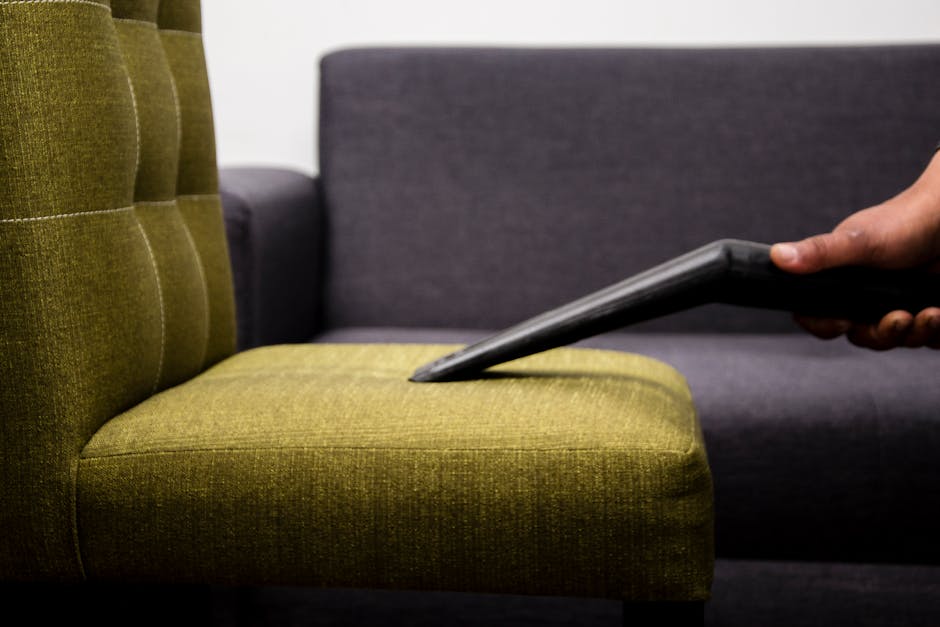
Churchill Gardens estate: upholstery cleaning specialists
If you live on Churchill Gardens estate, you already know how quickly upholstery can pick up the signs of daily life: a bit of city dust, a coffee ring on the arm of the sofa, pet hair in the corners, or that dull patch on the chair you always sit in. Churchill Gardens estate: upholstery cleaning specialists are the people you call when you want fabric furniture cleaned properly, safely, and with a good understanding of what different materials actually need. Not every sofa wants the same treatment, and to be fair, that is where a proper specialist earns their keep.
This guide explains what upholstery cleaning involves, why it matters for homes on the estate, how the process works, what results to expect, and how to choose the right service with confidence. You will also find a practical checklist, a clear comparison of cleaning methods, and answers to the questions people usually ask before booking.
Table of Contents
- Why Churchill Gardens estate: upholstery cleaning specialists Matter
- How Churchill Gardens estate: upholstery cleaning specialists Works
- Key Benefits and Practical Advantages
- Who This Is For and When It Makes Sense
- Step-by-Step Guidance
- Expert Tips for Better Results
- Common Mistakes to Avoid
- Tools, Resources and Recommendations
- Law, Compliance, Standards, or Best Practice
- Options, Methods, or Comparison Table
- Case Study or Real-World Example
- Practical Checklist
- Conclusion
- Frequently Asked Questions
Why Churchill Gardens estate: upholstery cleaning specialists Matters
Upholstery is one of those things you stop noticing until it starts looking tired. Then suddenly everything in the room feels a bit flat. In homes on Churchill Gardens estate, fabric furniture often works harder than people realise. Family life, visitors, takeaway nights, wet coats, open windows, and everyday commuting all leave a mark. The result is not just visual. Dust and embedded debris can settle deep into fibres, and spills that sit too long can become far more stubborn than they first appear.
That is why specialist upholstery cleaning matters. It is not only about making a sofa look good for a few hours. It is about restoring fabric properly, protecting the material, and avoiding damage from DIY methods that are a bit too enthusiastic. Anyone who has ever over-wet a cushion and then waited two days for it to dry knows the feeling. Not ideal.
There is also a trust factor. A good specialist understands fabric types, dye stability, shrink risk, padding construction, and the kind of cleaning sequence that works in real homes. That matters on the estate, where residents may want quick turnaround, minimal disruption, and a cleaner home without turning the living room into a laboratory.
Expert takeaway: upholstery cleaning is most valuable when it combines fabric knowledge, careful moisture control, and sensible stain treatment. If one of those is missing, results can be patchy at best.
How Churchill Gardens estate: upholstery cleaning specialists Works
Most professional upholstery cleaning jobs follow a fairly structured process, even if the exact method changes depending on the item. It usually begins with identification. A cleaner should inspect the material, look for labels if available, check for wear, and spot any existing marks, loose stitching, or fading. That first look matters more than people think. You cannot clean a linen blend the same way you would clean a synthetic sofa, and pretending otherwise is how mistakes happen.
After inspection comes testing. A small hidden area may be checked for colour stability and reaction to cleaning solution. That step sounds simple, but it is one of the best safeguards against turning a stain into a bigger problem. From there, the cleaner will usually remove loose dust and grit, because dry soil needs to come out before moisture is introduced. Skipping this stage is like mopping a muddy floor without sweeping first. The result is never quite right.
The cleaning method may involve hot water extraction, low-moisture cleaning, foam application, hand cleaning on delicate areas, or targeted stain treatment. The right approach depends on the fabric, the condition of the furniture, and how much drying time is available. In many homes, upholstery cleaning is done in situ, which is convenient and reduces transport risk. For some delicate or heavily soiled items, more specialist handling may be recommended.
Finally, the item is groomed, checked, and left to dry with proper airflow. A careful cleaner will explain aftercare too: how long before you sit on the sofa, whether windows should be opened, and what not to touch while it dries. Small detail, big difference.
Key Benefits and Practical Advantages
There is a very practical side to upholstery cleaning. Yes, the furniture looks better. But that is only one part of it. The real value shows up in everyday use, especially in busy households where a sofa is not just a showpiece, it is a landing zone, a nap spot, a snack table, and a place where life happens.
- Improved appearance: fabrics look brighter, colours often feel fresher, and old marks become less noticeable.
- Odour reduction: upholstery can hold onto cooking smells, pet odours, and general stale indoor air.
- Better fabric care: professional cleaning can help protect fibres from long-term build-up and wear.
- More hygienic living spaces: removing embedded dirt and surface contaminants helps the room feel cleaner overall.
- Longer furniture lifespan: regular care can delay the need for replacement, which is no small thing when good furniture is expensive.
- Better guest presentation: if you have visitors, a clean sofa and armchair make the whole room feel more welcoming.
And there is a subtle comfort benefit too. A clean sofa just feels nicer. You notice it when you sink into it in the evening and it does not have that slightly stale, lived-in heaviness. The room breathes a bit easier, if that makes sense.
Who This Is For and When It Makes Sense
Upholstery cleaning specialists are useful for a wide range of Churchill Gardens estate residents, but some situations make the need more obvious than others. If you have children, you already know the creative ways food can end up everywhere except the plate. If you have pets, the sofa may be hosting hair, paw prints, and the occasional wet-weather smell. If you entertain often, then drink spills and wear patterns tend to build up faster than you expect.
It also makes sense if you are moving out, refreshing your flat for letting or sale, or simply trying to get on top of recurring stains before they settle. A quick clean after a spill is usually easier and cheaper than leaving it for months. Truth be told, many upholstery issues become bigger because people wait, hope, and then wait a bit longer.
This service is especially relevant if:
- your sofa or chairs look dull even after vacuuming
- there are visible stains, rings, or patchy traffic marks
- the furniture has absorbed odours from pets, smoke, or cooking
- you want to freshen a room without replacing the furniture
- you own delicate fabrics and do not want to risk DIY damage
- you need a practical pre-tenancy or post-tenancy refresh
There is no perfect calendar for every household, but if you are noticing the furniture before you are noticing the room, that is usually the moment to act.
Step-by-Step Guidance
If you are booking upholstery cleaning for the first time, here is the simplest way to think about it. The process should feel orderly and calm, not rushed or mysterious. A good specialist will guide you through the steps, but it helps to know what should happen.
- Initial assessment
Discuss the furniture type, the stains, the fabric, and any concerns about access or drying. Good planning here saves a lot of hassle later. - Fabric identification and testing
Check the care label if available and test cleaning products in a discreet area. This is where a careful professional earns trust. - Dry soil removal
Vacuuming or dry extraction lifts dust, grit, crumbs, and hair before wet cleaning begins. - Targeted pre-treatment
Specific stains may be treated separately, because different marks need different chemistry and dwell times. - Main clean
Depending on the fabric, this may involve extraction, low-moisture cleaning, or hand application. The aim is thorough cleaning without over-wetting. - Rinse and residue control
Any cleaning residue should be managed carefully so the fabric does not attract dirt too quickly afterwards. - Grooming and finishing
Fibres may be brushed or aligned, cushions reset, and the item checked for remaining marks or areas needing attention. - Drying advice
Airflow matters. You may be asked to keep windows open, avoid sitting on the upholstery for a while, and leave cushions separated where possible.
If you are doing a light refresh between professional visits, vacuum slowly, use the upholstery attachment, and lift crumbs from seams. Not glamorous. Very useful.
Expert Tips for Better Results
A few small habits can make a surprisingly big difference to how upholstery cleans and how long it stays clean. These are the details people usually skip, then wonder why results do not last.
- Act quickly on spills. Blot, do not rub. Rubbing pushes liquid deeper and can distort the fabric pile.
- Know the fabric type. Cotton, linen, velvet, microfibre, wool blends, and synthetics all respond differently. If you are unsure, ask before cleaning starts.
- Vacuum regularly. Dust and grit cause wear over time. A slow weekly vacuum is better than a frantic one once a month.
- Rotate cushions where possible. It helps even out wear on the favourite seat. We all have one.
- Control moisture. Over-wetting is one of the most common causes of extended drying and uneven results.
- Mind the frame and trim. Decorative piping, buttons, and timber arms can need separate care.
- Be honest about stains. Old marks may improve dramatically, but not every stain disappears completely. A trustworthy cleaner will say that plainly.
One very practical tip: if you are cleaning in the same room where people still need to live and work, set expectations about drying and access beforehand. It avoids the awkward "can I sit there yet?" moment later on. The answer is usually, not yet.
Common Mistakes to Avoid
Upholstery can be forgiving in some ways, but it punishes shortcuts. The most common mistakes are often the least dramatic at first. A little too much water. A cleaner not tested in a hidden spot. A stain scrubbed harder and harder because it is not moving. That kind of thing.
- Using too much water: this can cause wicking, where the stain reappears as the fabric dries.
- Scrubbing aggressively: it may damage fibres, spread the stain, or leave a visible texture change.
- Ignoring care labels: fabric instructions are there for a reason, even if they look boring.
- Using the wrong product: household sprays are not always suitable for upholstered furniture.
- Cleaning only the stain: spot-cleaning without blending the whole affected area can leave a ring or patch.
- Rushing drying: sitting on damp fabric is a quick way to flatten fibres and bring dirt back in.
There is a funny little truth here: many people clean upholstery as if they are trying to win a race. You really do not want speed to be the main feature. Accuracy wins.
Tools, Resources and Recommendations
Professional upholstery cleaning relies on the right tools, but not just the flashy machine you might imagine. A careful job often depends on the smaller, less exciting items too: soft brushes, hand tools for seams, controlled application bottles, fabric-safe solutions, absorbent cloths, and proper extraction equipment where suitable.
For homeowners, the best day-to-day resources are simple:
- a good vacuum with an upholstery attachment
- clean white cloths for blotting spills
- a soft brush for lifting surface dust from textured fabrics
- basic knowledge of the furniture care label
- clear notes about any previous treatments or stain removers used
If you are comparing services, the useful questions are practical ones. Ask how they assess fabric type, what they do about stubborn marks, how long drying usually takes, and whether they are comfortable explaining aftercare in plain English. You should not need to decode jargon just to understand what is happening in your own living room.
If you want to see how a wider cleaning approach fits into the rest of your home care routine, it can also help to look at related services such as upholstery cleaning, sofa cleaning, stain removal, and pet stain odour removal. For soft furnishings beyond the sofa, curtain cleaning and rug cleaning can make the whole room feel more consistent.
Law, Compliance, Standards, or Best Practice
For upholstery cleaning in a residential setting, the main concern is not law in the dramatic sense. It is best practice, care, and safety. A reputable cleaner should work in line with sensible UK expectations around insurance, safe chemical handling, risk awareness, and respect for the property. That means using appropriate products, controlling moisture, and taking care with electric points, flooring, and access routes.
If you are letting or managing a property, you may also want the furniture to be cleaned in a way that supports tenant handover, inspection, or general presentation standards. In those situations, written clarity helps. Ask what is included, what happens if a stain is not fully removable, and how drying time may affect occupancy.
It is also sensible to ask about public liability cover, product safety, and any company health-and-safety procedures. If a provider is careful in how they explain these things, that is usually a good sign. You can review practical policy information on pages such as health and safety policy, insurance and safety, and terms and conditions. For pricing clarity, it helps to read pricing and quotes before booking.
There is no need to overcomplicate this. Good best practice is usually straightforward: assess properly, clean cautiously, protect the home, and communicate clearly.
Options, Methods, or Comparison Table
Not every upholstery job needs the same method. The right choice depends on fabric type, soil level, how fast you need it dry, and how delicate the item is. Here is a simple comparison to help you think it through.
| Method | Best for | Strengths | Watch-outs |
|---|---|---|---|
| Hot water extraction | Durable fabrics with general soiling | Deep clean, good for embedded dirt, strong refresh | May need longer drying time; not ideal for every fabric |
| Low-moisture cleaning | More delicate situations or faster drying needs | Quicker drying, less water in the fabric | May be less powerful for heavy soil |
| Hand cleaning / spot treatment | Localised stains and sensitive areas | Very controlled, useful for tricky marks | Labour-intensive, not always enough for full refresh |
| Foam-based cleaning | Some fabrics needing gentle surface action | Can be effective with controlled moisture | Needs careful residue management |
A specialist should choose the method based on the furniture, not the other way round. If someone seems to offer one universal method for every sofa, that is a yellow flag. Maybe not a disaster, but worth a pause.
Case Study or Real-World Example
Picture a typical flat on Churchill Gardens estate: a family sofa in the living room, two cushions with visible wear on the front edge, and a faint food stain that has been there long enough to become part of the furniture. There is also a smell that is hard to pin down. Not bad exactly. Just a bit stale after winter, with windows mostly shut and life moving at full pace.
A specialist visits, identifies the fabric, tests a hidden section, and finds that the material can be cleaned safely with a controlled low-moisture approach. The loose debris is removed first, then the old stain is treated, followed by a careful general clean to blend the area with the rest of the sofa. The armrests receive a little extra attention because they show the most hand contact. The room is left airing, and the family is told to wait before using the sofa heavily.
The result is not magic. That would be a silly promise. But the sofa looks brighter, the mark is far less noticeable, and the room feels lighter when you walk in. The difference is especially clear in the evening when the light falls across the fabric and the whole thing simply looks less tired. That is the kind of improvement people notice every day, not just on cleaning day.
Practical Checklist
Before you book upholstery cleaning, run through this simple checklist. It saves time and usually leads to better results.
- Check the furniture type and fabric care label if available
- Note any stains, odours, or problem areas you want treated
- Vacuum loose dust and crumbs beforehand if you can
- Move small items from the room to give clear access
- Ask about drying time and when the furniture can be used again
- Confirm whether cushion covers are sewn on or removable
- Tell the cleaner about any previous stain products used
- Ask whether the method suits delicate, mixed, or vintage fabrics
- Make sure there is ventilation available after cleaning
- Clarify what level of stain improvement is realistic
Quick practical note: if you have pets or children, it is wise to plan the clean for a quieter part of the day. It keeps the room calmer and makes the drying period easier to manage.
Conclusion
Churchill Gardens estate: upholstery cleaning specialists provide more than a cosmetic refresh. They help protect fabric, improve comfort, reduce odours, and bring tired-looking furniture back into everyday use with less guesswork and less risk. The best results come from proper inspection, careful method selection, and honest expectations about what can and cannot be removed. That is the real value here.
If your sofa, chairs, or other soft furnishings are starting to look a little worn, this is usually one of those jobs that feels better once it is done. The room seems clearer. The fabric feels kinder to live with. Even the morning light looks better on a clean armchair, oddly enough.
Get a free quote today and see how much you can save.
Frequently Asked Questions
What does an upholstery cleaning specialist actually do?
An upholstery cleaning specialist assesses the fabric, tests cleaning methods, removes dry soil, treats stains, and cleans the item using a suitable process for that material. They also manage drying and aftercare so the furniture is less likely to be damaged.
How often should upholstery be professionally cleaned?
That depends on use. A busy family sofa may need attention more often than an occasional chair. Many people wait until visible staining appears, but regular maintenance usually gives better long-term results. If the fabric looks dull or smells stale, it may be time.
Can all upholstery fabrics be steam cleaned?
No, not safely. Some fabrics tolerate moisture well, while others are more delicate and may shrink, distort, or hold water for too long. A proper specialist checks the fabric first and chooses a method that suits it.
Will upholstery cleaning remove every stain?
Not always. Fresh stains are usually easier to improve than old ones, and some substances permanently alter fibres or dye. A trustworthy cleaner will explain what is realistic before starting, which is much better than overpromising.
How long does upholstery take to dry?
Drying time varies by method, fabric, room airflow, and how much cleaning was needed. Low-moisture methods dry faster, while deeper cleaning can take longer. Good ventilation helps, and you should avoid using the furniture heavily until it is fully dry.
Is upholstery cleaning safe for homes with children and pets?
It can be, provided suitable products and safe working practices are used. It is sensible to ask about the cleaning solutions, drying advice, and whether children or pets should stay away from the area for a period after cleaning.
What if my sofa has a care label but I do not understand it?
That is very common. Care labels can be a bit opaque. A specialist should be able to explain what the symbols mean and whether the fabric needs a wet clean, dry clean, or gentler treatment.
Should I vacuum before the cleaner arrives?
If you can, yes. Removing loose crumbs, dust, and pet hair before a deep clean helps the process work better. It is not essential in every case, but it usually improves the result.
Can upholstery cleaning help with odours?
Yes, often it can. Soft furnishings hold smells from pets, cooking, smoke, and general everyday use. Removing embedded dirt and residues can make a noticeable difference, though very strong or long-standing odours may need extra treatment.
How do I choose between upholstery cleaning and sofa replacement?
If the frame is sound and the fabric is still worth saving, cleaning is often the sensible first step. Replacement makes more sense when the material is badly damaged, the filling has failed, or the furniture is beyond practical restoration.
What should I ask before booking an upholstery cleaner?
Ask about fabric suitability, stain expectations, drying times, insurance, and what is included in the price. You may also want to ask whether they can treat odours, pet marks, or delicate fabrics. Clear answers usually tell you a lot.
Are there extra services that complement upholstery cleaning?
Yes. Carpet care, rug treatment, curtain cleaning, and mattress cleaning often work well alongside upholstery cleaning because they refresh the same living spaces and help the whole room feel more consistent.
For a fuller home refresh, you may also want to explore carpet cleaning, steam carpet cleaning, mattress cleaning, commercial carpet cleaning, and the company's wider approach to recycling and sustainability when that matters to your household or building.
If you are still weighing up your options, the best next step is simple: look at the fabric, note the problem areas, and ask for clear advice rather than guessing. A well-cleaned sofa does not just look better; it makes the whole place feel more settled, and sometimes that is exactly what a home needs.