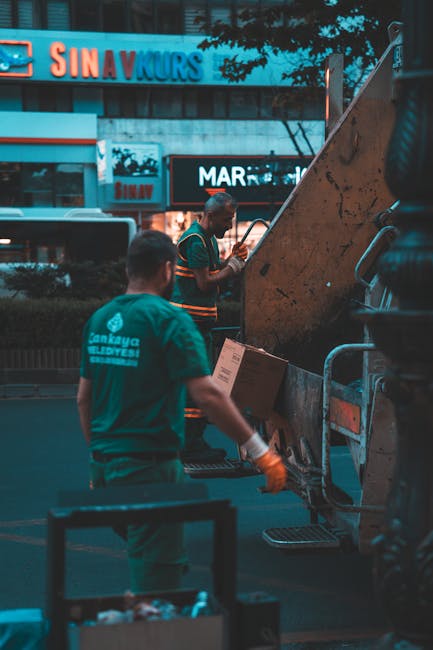
Pimlico Council permits for commercial waste & cleaning
If you run a business in Pimlico, the phrase Pimlico Council permits for commercial waste & cleaning can sound a bit dry at first. In practice, though, it sits right at the point where compliance, day-to-day operations, and customer-facing hygiene all meet. Get it wrong and you risk delays, awkward conversations, extra costs, or a messy site. Get it right and everything feels smoother: collections happen on time, cleaning work stays tidy, and your business looks properly managed.
This guide breaks the topic down in plain English. You will find out what these permits and permissions are really about, how they usually affect commercial waste handling and cleaning work, what to check before you book a job, and how to avoid the small mistakes that turn into larger headaches. We will also cover practical planning, best practice, and a few real-world situations that crop up more often than you might think. Truth be told, this is one of those subjects that looks simple until a van turns up, a skip is in the wrong place, or a building manager asks for paperwork. Then it suddenly matters a lot.
Table of Contents
- Why Pimlico Council permits for commercial waste & cleaning Matters
- How Pimlico Council permits for commercial waste & cleaning Works
- Key Benefits and Practical Advantages
- Who This Is For and When It Makes Sense
- Step-by-Step Guidance
- Expert Tips for Better Results
- Common Mistakes to Avoid
- Tools, Resources and Recommendations
- Law, Compliance, Standards, or Best Practice
- Options, Methods, or Comparison Table
- Case Study or Real-World Example
- Practical Checklist
- Conclusion
- Frequently Asked Questions
Why Pimlico Council permits for commercial waste & cleaning Matters
Commercial waste and cleaning work create more than just visible dirt. They create movement: bins, bags, extraction equipment, water, chemicals, vehicles, loading, unloading, and sometimes access onto pavements or shared areas. In Pimlico, as in much of inner London, that means permits and permissions can become part of the job rather than an afterthought.
A permit may be needed for activities that affect public land, traffic flow, access routes, or the placement of waste containers. Cleaning jobs can trigger these issues too, especially where work is happening in busy streets, managed estates, retail units, or office buildings with tight access. A simple carpet clean can become a logistics exercise if parking is limited and the team needs to move equipment through shared entrances. No drama, just reality.
The point is not to make things difficult. It is to keep the area safe, orderly, and legally tidy. Councils and property managers generally care about a few core things:
- waste is stored and removed responsibly
- public areas are not blocked or made unsafe
- cleaning activities do not create slip hazards, fumes, or damage
- the correct people are responsible for the correct permissions
For businesses, this matters because commercial cleaning often sits close to waste management. Think about a restaurant closing for a deep clean, a letting agent arranging a move-out refresh, or an office getting carpets and upholstery cleaned before Monday morning. The cleaner may bring bulky machines, wastewater may need controlled disposal, and waste bags might need temporary storage. In that moment, the line between cleaning and waste handling becomes very clear.
How Pimlico Council permits for commercial waste & cleaning Works
There is no single one-size-fits-all permit for every commercial cleaning or waste scenario. In practice, it tends to work as a set of checks. You identify the activity, see whether it affects public space or collection arrangements, and then confirm what permission, notification, or contractor arrangement is required.
Common moving parts include:
- Waste storage and collection - where bins are kept, how bags are staged, and whether collections need scheduled access.
- Parking or loading - whether a vehicle can stop legally close enough to the site.
- Footway or roadside impact - whether equipment, skips, sacks, or temporary barriers affect pedestrians.
- Building rules - some landlords, managing agents, or office buildings want notification before cleaning crews arrive.
- Waste carrier arrangements - if waste leaves the site with a contractor, the contractor should be properly authorised and the transfer process documented as appropriate.
If your job is purely internal, the permit side may be light. If you need to use external space, the picture changes. That is why the first question is always: what exactly is happening on site? The answer decides everything else.
There is also a practical difference between everyday cleaning waste and regulated or bulky commercial waste. A few cloths, dirty water, and packaging are one thing. Old furniture, damaged fixtures, construction debris, or large volumes of contaminated material are another. Let's face it, not all "waste" is the same, even if it all ends up leaving the building in a bag or a bin.
For businesses arranging cleaning alongside broader property maintenance, it helps to read about service standards too. Pages such as commercial carpet cleaning, steam carpet cleaning, and upholstery cleaning show how a professional team normally works around fabrics, drying times, access issues, and site protection.
Key Benefits and Practical Advantages
Getting the permit side right does more than keep paperwork in order. It makes the whole job easier. Here are the benefits businesses usually notice first.
- Fewer delays - no scrambling for parking, no last-minute site access problems, and fewer stoppages while someone phones round for approval.
- Cleaner handovers - if you are preparing a unit for inspection, move-in, or reopening, planned waste removal and cleaning help the space look finished rather than half-done.
- Lower disruption - well-managed access and collection points reduce impact on staff, customers, neighbours, and neighbouring businesses.
- Better safety - tidy staging, correct signage, and responsible waste handling reduce slips, trips, and blocked routes.
- More professional presentation - a business that manages waste and cleaning properly tends to look more reliable overall. People notice. They always do.
There is also a hidden benefit: planning. Once permits and permissions are checked early, you can build the rest of the job around them. That means choosing the right arrival time, deciding whether cleaning should happen before or after waste removal, and making sure drying or ventilation time fits the schedule. In a busy part of London, that sort of planning is worth its weight in gold.
If sustainability is part of your company values, permit-aware planning can support it too. Better segregation, less unnecessary disposal, and more efficient collection routes all help reduce waste. For businesses looking to connect cleaning with responsible practices, the recycling and sustainability page is a useful companion read.
Who This Is For and When It Makes Sense
This topic is relevant to a wider group than many people expect. It is not just for large facilities teams or property managers. In Pimlico, plenty of smaller operators end up dealing with permit-related questions because of how tightly packed the area is.
You may need to think about it if you are:
- a shop owner arranging after-hours cleaning and waste removal
- a landlord or letting agent preparing a flat or commercial unit between tenancies
- a facilities manager booking routine maintenance in a shared building
- a hospitality business handling deep cleaning after service hours
- an office administrator organising a one-off refresh before a visit or inspection
- a contractor coordinating with a cleaning team and an external waste collection provider
It makes sense to check permit implications whenever the job touches the street, shared access, public footways, or timed collections. A small example: a cafe in a narrow Pimlico street might be able to clean internal seating areas with no issue, but still need to plan carefully for waste bag movement, stock disposal, and loading access. Another example: an office on an upper floor may not need a street permit at all, but the building manager may want to approve service lifts, timings, and waste handling procedures. Small details, big effect.
For companies that handle soft furnishings, odour control, or stain-heavy work, permits may matter less than the site logistics, but the operational pattern is similar. If you are cleaning fabric-heavy interiors, these pages can help you understand how services are typically scoped: carpet cleaning, sofa cleaning, rug cleaning, curtain cleaning, mattress cleaning, pet stain odour removal, and stain removal.
Step-by-Step Guidance
Here is a simple way to approach Pimlico Council permits for commercial waste & cleaning without getting tangled up in details.
- Define the job clearly. Write down what is being cleaned, what waste will be removed, and whether any part of the work uses external space.
- Map the access route. Note entrances, lifts, loading points, nearby parking, and where waste will be staged before collection.
- Separate internal from external impact. Internal-only cleaning is usually simpler. Anything that touches street space, kerbside access, or communal routes needs more care.
- Check building or landlord rules. Many problems are not council problems at all. They are building-management issues. Worth checking early.
- Confirm waste handling arrangements. Decide who removes the waste, when it leaves site, and how it is stored beforehand.
- Plan the cleaning sequence. In many cases, waste removal should happen before final detail cleaning, but not always. The sequence depends on the job.
- Allow for drying, ventilation, and reopening. Wet carpet cleaning or upholstery work may need time before the area is usable again.
- Keep records. Save quotes, approvals, permits, and notes about site instructions. If questions come up later, you will be glad you did.
A sensible rule of thumb: if you need to ask, ask before the van is loaded. That sounds obvious, but in the real world people leave it until the morning of the job all the time. And then everyone is standing around with a wet brush, a packet of bin liners, and that slightly awkward "so... where do we put this?" look.
If you are also comparing pricing and job scope, the pricing and quotes page is a good place to understand how professional cleaning services are typically quoted, especially when access, waste handling, or timing affects the job length.
Expert Tips for Better Results
After you have done a few of these jobs, you start to spot the same friction points. The fixes are usually simple. It is the planning that saves the day.
- Book access and cleaning together. Don't treat permits, parking, and cleaning as separate errands. They should be planned as one job.
- Use a site note. A one-page summary with arrival time, contact details, access instructions, and waste arrangements can prevent half the misunderstandings.
- Measure the practical bottlenecks. Is there enough room for equipment? Can bags be moved without crossing a customer path? Is there somewhere dry for staging?
- Keep the building team in the loop. Front-of-house staff, concierge teams, and managing agents often know about access quirks that are not obvious on a plan.
- Choose the right cleaning method for the site. In some environments, steam cleaning is ideal; in others, low-moisture methods may reduce disruption. The right fit matters more than the trendiest option.
One practical observation from real jobs: the smallest access issue can eat the most time. A locked gate, a lift booking that was forgotten, or a bin store that is a bit too small can slow a whole day down. Not glamorous, but absolutely real.
For upholstery-heavy interiors, fabric protection and aftercare are worth thinking about too. The health and safety policy and insurance and safety pages are useful examples of the kind of standards a professional provider should be able to discuss clearly and calmly.
Common Mistakes to Avoid
Most problems are avoidable. That is the mildly annoying part, because they usually happen for the same reasons.
- Assuming internal cleaning means no planning. Even without a permit, there may still be waste, access, or building approvals to sort out.
- Leaving access checks too late. A job can be perfectly scheduled and still fail if the vehicle cannot stop nearby or the lift is unavailable.
- Mixing waste types. General cleaning waste, bulky items, and contaminated materials should not all be treated the same way.
- Forgetting drying time. If carpets or upholstery are still damp when people return, you have a different problem entirely.
- Not confirming responsibility. Is the tenant, landlord, contractor, or site manager responsible for approval? If nobody owns it, nobody does it.
Another common slip: people assume the contractor will "sort the permit." Sometimes they will, sometimes they will not, and sometimes they can only handle part of it. That needs to be confirmed clearly. A good provider should explain what they cover and what remains the client's responsibility. No jargon, no guessing.
Tools, Resources and Recommendations
You do not need a massive compliance system for a modest cleaning job. But a few simple tools make life easier and keep things on track.
- A site checklist for access, waste, timings, and key contacts
- A photo log before and after the work, especially for shared spaces
- A written scope of work so everybody knows what is being cleaned and what is being removed
- A waste segregation plan if the job produces more than ordinary bagged waste
- A drying or reopening schedule for carpet, upholstery, or fabric work
For service information and practical next steps, these pages can help you map out the work with a little more confidence: about us for company background, terms and conditions for the service framework, payment and security for payment expectations, and contact us if you want to talk through a specific commercial setup.
One more practical recommendation: if you manage repeat sites, keep a living note of building quirks. The loading bay that closes early, the staff entrance that needs a fob, the cleaner's cupboard that only takes slim vacuums - these little things are what make future visits smooth. Over time, it saves a lot of faffing about.
Law, Compliance, Standards, or Best Practice
Because this topic touches waste, access, and operational safety, it is sensible to treat it as a compliance issue rather than a casual admin task. The exact requirements will depend on the location, the building, the type of waste, and the nature of the cleaning work. It is always safer to verify the current local position rather than rely on assumptions or old practice.
In broad terms, good commercial practice usually includes:
- using appropriately authorised waste handling arrangements
- preventing nuisance, obstruction, or unsafe storage in public areas
- protecting staff and the public from slip, trip, and contamination risks
- keeping site instructions, approvals, and contractor notes in writing
- making sure chemicals, equipment, and waste are handled responsibly
For many businesses, the real compliance challenge is not a dramatic legal issue. It is consistency. Are you doing the same safe process every time, or are you improvising from job to job? Consistency is boring, but it works. The boring bits are usually the good bits.
Professional cleaning businesses should also be able to explain how they manage risk, what they do if a site has sensitive access, and how they respond if a job changes on the day. That is where well-written policies and good communication matter. The pages on health and safety and insurance and safety are helpful signals of that approach.
Options, Methods, or Comparison Table
There is more than one way to handle commercial cleaning and waste in Pimlico. The best choice depends on access, volume, timing, and how much disruption the site can tolerate.
| Approach | Best for | Advantages | Watch-outs |
|---|---|---|---|
| Internal-only cleaning with standard bagged waste | Offices, small shops, low-volume work | Simpler planning, less disruption, usually faster | Still needs access and building checks |
| Cleaning plus scheduled waste collection | Hospitality, retail, recurring sites | Cleaner handovers and predictable routines | Timing must match collection windows |
| Cleaning with external loading or roadside access | Tight London streets, bulky equipment, bigger jobs | Can be efficient if arranged properly | May need extra permission or parking care |
| Deep clean with fabric and upholstery work | Commercial interiors, receptions, waiting areas | Strong visual improvement, better hygiene feel | Drying time, ventilation, and aftercare matter |
If you are unsure which route fits your site, start with the least disruptive option that still meets the brief. You can always build up from there. That is usually better than overcomplicating the first visit.
Case Study or Real-World Example
Picture a small professional services office near central Pimlico. The team wants a pre-inspection clean before clients visit on Friday afternoon. The job looks simple: carpets in the reception area, a couple of upholstered chairs, and the removal of several bags of old paperwork and packaging from a back office.
At first glance, it sounds like a straightforward half-day booking. But once the details are checked, a few things need sorting:
- the building only allows service access during a narrow window
- there is no convenient on-site storage for waste bags
- the front entrance must stay clear for visitors
- the carpet cleaning needs time to dry before the weekend close-up
The sensible approach is to schedule the waste removal first, then do the cleaning in a way that keeps the entrance open and the drying time realistic. A basic site note is shared with the building contact and the client. Nothing fancy. The office gets the fresh, tidy result it wanted, and nobody is chasing missing permissions at the last minute.
That kind of job is a good reminder that commercial waste and cleaning are often one workflow, not two separate ones. Manage them together, and the whole thing feels a lot less stressful.
Practical Checklist
Use this checklist before you book or begin a job involving Pimlico Council permits for commercial waste & cleaning.
- Have you described the cleaning task clearly?
- Do you know what waste will be generated?
- Will any equipment or waste affect public space, loading, or parking?
- Have you checked building, landlord, or managing agent rules?
- Is the waste collection method confirmed?
- Do you know who is responsible for approvals and access?
- Have you set the cleaning order and timing?
- Is drying or ventilation time built into the schedule?
- Are safety measures in place for staff and visitors?
- Have you kept a written record of key instructions?
Key takeaway: the earlier you treat permits, access, waste, and cleaning as one joined-up plan, the easier everything becomes. The job feels calmer. The site stays tidier. And small issues do not get a chance to snowball.
Get a free quote today and see how much you can save.
Conclusion
Pimlico Council permits for commercial waste & cleaning are really about control, clarity, and sensible planning. They help ensure that waste is handled properly, access stays safe, and cleaning work fits the reality of a busy London environment. For business owners, landlords, and managers, that means fewer surprises and a more professional result.
The main thing to remember is simple: do not leave the permit and access questions until the last minute. Define the job, check the site, confirm the responsibility, and keep the process tidy from the start. That is how you avoid the sort of issues that make a straightforward clean feel strangely complicated.
If you are planning a commercial clean in Pimlico and want the work to run smoothly, a careful, well-organised approach will always pay off in the end. And honestly, that little bit of preparation can make the difference between a stressful day and a quietly satisfying one.
Frequently Asked Questions
Do I always need a permit for commercial cleaning in Pimlico?
Not always. It depends on whether the work affects public space, parking, loading, waste placement, or other shared access areas. Internal-only cleaning may not need a permit, but it can still require building approval or site coordination.
What counts as commercial waste during a cleaning job?
Commercial waste can include general rubbish, packaging, old furnishings, disposable cleaning materials, and other waste created by business activity. The exact handling depends on the type and volume of material, and whether anything is bulky or contaminated.
Who is usually responsible for checking permits?
That varies by site and contract. Sometimes the business owner or tenant is responsible, sometimes the landlord or managing agent handles it, and sometimes the contractor helps coordinate the process. The important thing is to assign responsibility clearly before the job starts.
Can a cleaning company deal with waste removal too?
Often yes, but only if the arrangement is properly agreed in advance. You should confirm what the company will remove, how it will be handled, and whether any extra permissions or access arrangements are needed.
What happens if parking or loading space is limited?
The job may need a different timing window, a smaller vehicle, staggered delivery, or a revised cleaning sequence. In Pimlico, access planning is often just as important as the cleaning itself. Sometimes more so, to be fair.
Is there a difference between waste collection and cleaning access?
Yes. Cleaning access is about getting people and equipment into the site safely. Waste collection is about how materials leave the site and whether that movement affects public areas, timing, or loading arrangements. They are related, but not identical.
Do deep cleans create extra permit issues?
They can. Deep cleans often involve more equipment, more water, longer drying times, and more waste. That does not automatically mean a permit is required, but it does mean the job needs more planning.
How should I prepare a site before a commercial cleaning visit?
Clear access routes, confirm where waste will go, tell staff about timing, and remove anything fragile or sensitive from the work area. If the building has special rules for deliveries, lifts, or service entrances, share those in advance.
What if the building manager changes the rules on the day?
It happens. Keep the contact details handy, stay flexible, and document any revised instructions. If a change affects the scope of work, it is better to pause and confirm than to push ahead and create a mess.
How do I know if a cleaning provider is properly organised?
Look for clear answers about access, safety, timing, waste handling, and what is included in the quote. A good provider should sound calm, practical, and specific. If the answers feel vague, that is a useful warning sign.
Are commercial carpet cleaning and waste permits connected?
They can be. The carpet work itself may be internal, but the equipment, wastewater, packaging, and disposal arrangements can affect access and site management. That is why commercial cleaning projects should be planned as a whole rather than in isolated pieces.
Where can I find more service and policy information?
You can review the company's service pages such as commercial carpet cleaning, plus supporting pages like terms and conditions, insurance and safety, and contact us for next-step support.