Same-day upholstery cleaning in Pimlico -- book now
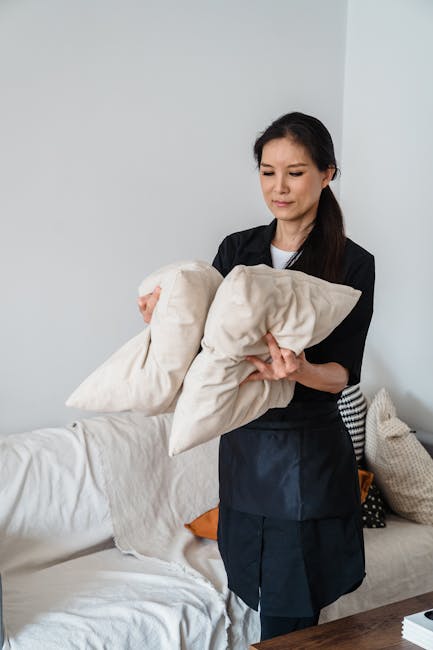
If your sofa has a fresh stain, a stubborn smell, or a guest arriving tonight, waiting a week simply is not ideal. Same-day upholstery cleaning in Pimlico -- book now is the kind of service people usually need when life gets messy at exactly the wrong moment. A spilled coffee, a pet accident, a worn armchair that suddenly looks far worse in daylight - these things happen, and they tend to happen fast.
This guide explains what same-day upholstery cleaning involves, how the process usually works, what to expect from a proper visit, and how to avoid common mistakes that can make fabric problems worse. If you are trying to decide whether to book now or wait, you will also find practical advice on priorities, timing, and the little details that save time and stress.
Why Same-day upholstery cleaning in Pimlico -- book now Matters
Upholstery absorbs more than most people realise. Spills sink in, body oils build up slowly, dust sits in fibres, and odours settle into cushions and seams. By the time the issue becomes obvious, the fabric has often already held onto it for a while. That is why a same-day response can be so useful: it gives you a better chance of reducing staining, preventing odour from setting, and avoiding the slow spread of marks into the surrounding fabric.
In a busy London home, timing matters. A linen sofa in a bright Pimlico flat will show a red wine splash differently from a darker lounge chair in a family room, but both can be annoying, visible, and surprisingly hard to live with. Same-day upholstery cleaning is not just about speed for speed's sake. It is about acting while the problem is still manageable. Truth be told, most fabric damage gets worse when people wait and hope it will disappear on its own.
This is also a confidence issue. If you know a cleaner can come quickly, you are less likely to panic-clean with the wrong product or scrub the stain deeper. That alone can make a huge difference. And if the item is part of a wider refresh - perhaps after carpet work, a spring clean, or a move-in/move-out reset - booking an upholstery clean quickly helps the whole room feel pulled together again.
For people comparing service options, it can help to look at the broader fabric-care picture too. Services such as professional upholstery cleaning, sofa cleaning, and even targeted stain removal are often closely connected in practice, because the right treatment depends on the fabric, fill, and type of contamination rather than the furniture label alone.
How Same-day upholstery cleaning in Pimlico -- book now Works
Same-day upholstery cleaning usually starts with a quick assessment over the phone or online. The cleaner needs a few essentials: what item needs cleaning, what fabric it is, what happened, how long ago it happened, and whether there are any issues such as delicate trims, antique fabric, or signs of shrinkage risk. That first conversation matters more than many people expect, because it helps the cleaner bring the right method and manage expectations properly.
On arrival, a proper technician normally checks the fabric type, tests a small hidden area if needed, and inspects the stain pattern before doing anything else. That may sound cautious, but it is exactly what you want. Upholstery is not one-size-fits-all. Velvet, cotton blends, wool mixes, synthetic fibres, and leather-like finishes all react differently to moisture, heat, detergents, and agitation.
A same-day appointment often follows a standard sequence:
- Initial inspection and identification of the fabric.
- Vacuuming or dry soil removal to lift loose debris.
- Pre-treatment of stains, spots, or odours.
- Careful cleaning using the most suitable method.
- Extraction or controlled moisture removal, depending on the fabric.
- Final grooming, drying advice, and aftercare guidance.
If the item is heavily soiled, the cleaner may explain that one visit improves it significantly but may not restore it to brand-new condition. That honesty is a good sign. It is better than glossy promises and a soggy cushion, which nobody wants. In many cases, same-day visits are designed to stabilise the issue quickly, then improve appearance as much as the fabric safely allows.
For stubborn contamination, cleaners may combine techniques with services such as pet stain and odour removal or a more focused stain treatment. If the issue is not just one sofa cushion but an entire room refresh, pairing it with curtain cleaning or rug cleaning can be a sensible move too.
Key Benefits and Practical Advantages
The main benefit is obvious: speed. But the practical value goes further than that. A quick upholstery clean can reduce the chance of permanent staining, cut down on odours, and improve the overall look of a room before guests, tenants, clients, or family members see it at its worst.
There is also a hygiene angle. Upholstered furniture traps fine dust, crumbs, pet hair, and daily grime. If someone in the home has sensitivities or if the furniture is used heavily - think of the sofa everyone eats on, which happens more than people admit - then regular deep cleaning can make the room feel fresher and more comfortable. Not medical advice, obviously, but in practical day-to-day terms, cleaner fabric just feels better.
Other benefits include:
- Less risk of stain setting from delayed treatment.
- Better odour control after spills or pet accidents.
- Improved appearance before visitors, photos, or property viewings.
- Reduced temptation to over-wet or over-scrub fabric at home.
- More informed fabric care advice for future maintenance.
For landlords and short-let hosts in Pimlico, same-day response can be the difference between a quick turnaround and a stressful delay. For family homes, it can be the difference between quietly fixing an issue and living with it for months. Small thing, maybe. But not really small when it is your main sofa.
Who This Is For and When It Makes Sense
This service makes sense for anyone facing an urgent upholstery problem, but some situations are especially common. You may need same-day help if a drink was spilled on a sofa just before guests arrive, if a pet has had an accident on a chair or footstool, or if a rental property needs a quick tidy-up between occupants. It also suits people who simply do not want a stain to settle in and become a long-term eyesore.
It is also a good fit for busy households where people do not have time to research products, test them, wait for drying, and hope for the best. Let's face it, most people would rather have a trained cleaner handle it properly than spend a Saturday afternoon dabbing at a mark with three different sprays and an optimistic face.
Same-day upholstery cleaning is often especially useful when:
- a stain is fresh and needs fast treatment;
- an item is heavily used and visibly dull;
- odours are noticeable after pets, food, or smoke exposure;
- the furniture is needed for an event, inspection, or viewing;
- you want to protect a higher-value or sentimental item.
If you are dealing with office furniture, waiting is often even less sensible. Reception seating, meeting-room sofas, and waiting-area chairs set the tone straight away. For those environments, a broader service such as commercial carpet cleaning alongside upholstery care can make the whole space feel more polished without a huge amount of disruption.
Step-by-Step Guidance
If you want the process to go smoothly, a little preparation helps. Nothing dramatic. Just enough to make the visit efficient and avoid avoidable delays.
- Identify the item. Note whether it is a sofa, armchair, dining chair, ottoman, footstool, or something more delicate. If there are multiple items, list them clearly.
- Describe the problem honestly. Mention the stain type if known, how long it has been there, and whether you already tried anything on it. Even a quick wipe can change how the fabric reacts later.
- Check access. Make sure the cleaner can reach the room, lift cushions if needed, and plug in equipment. In Pimlico flats, access details can matter a lot more than people expect.
- Move fragile items out of the way. Lamps, ornaments, small tables, and charging cables are usually best cleared before the appointment.
- Ask about fabric care. If you know the item's cleaning code or manufacturer guidance, share it. If not, that is fine too. A good cleaner will still assess it properly.
- Be ready for drying time. Plan for some ventilation after the clean. Open a window if suitable and keep pets or children from sitting on the item too soon.
One practical detail people often forget: if the stain is recent, do not soak it with water or kitchen cleaner before the appointment. That can push the contamination deeper into the filling. A light blot is usually safer than improvising with enthusiasm. We have all been there, though.
If you are booking as part of a larger refresh, it can be worth asking whether your upholstery treatment should sit alongside carpet cleaning or steam carpet cleaning. The right mix depends on the room, the traffic, and how quickly you need everything back in use.
Expert Tips for Better Results
The best upholstery results are usually a combination of good technique and good judgement. Here are a few things that genuinely help.
- Act early. Fresh marks are much easier to treat than old ones that have oxidised, dried, or been rubbed in.
- Keep the area still. Sit elsewhere if you can. More rubbing and shifting usually means more spread.
- Test cleaning products carefully. If you are using anything at home before the cleaner arrives, less is more.
- Use airflow sensibly. Gentle ventilation helps drying. Blasting hot air at delicate fabric, not so much.
- Be clear about priorities. If only one chair matters for tomorrow's event, say so. That can shape the visit.
A useful rule of thumb: if the fabric is valuable, delicate, antique, or emotionally irreplaceable, treat it as such. The aim is not to do the fastest possible clean. The aim is to do the safest effective clean. That sounds obvious, but under pressure people do odd things.
For a more rounded approach to fabric care, some customers also ask about mattress cleaning after dealing with household odours or curtain cleaning when a room has picked up dust and smells after renovations. The theme is the same: tackle the fibres, not just the surface.
Common Mistakes to Avoid
There are a few mistakes that come up again and again. They are easy to make, especially when you are rushing, but they can complicate the job.
- Scrubbing hard. This spreads stains, frays fibres, and can leave a patchy look.
- Using too much water. Over-wetting upholstery can create tide marks, odours, or longer drying times.
- Applying random products. Household cleaners are rarely designed for upholstery, and some can bleach or distort colour.
- Ignoring fabric type. A method that works on synthetic upholstery may be risky on delicate natural fibres.
- Waiting too long. The longer a stain sits, the more it bonds with the fabric or padding.
Another common issue is assuming that all odour is on the surface. Sometimes it is, but sometimes it has seeped deeper into the filling. That is why pet accidents, drink spills, and damp patches need a proper response rather than a quick deodoriser spray and hope.
And yes, a scented candle can make a room feel nicer for an hour. It is not the same thing. Not even close.
Tools, Resources and Recommendations
For same-day upholstery cleaning, the most useful tools are usually the cleaner's own equipment and a little preparation from you. On the technician side, that may include extraction machines, upholstery tools, hand brushes, drying aids, and fabric-safe pre-sprays or spot treatments. But the real value is not the machine itself - it is knowing when to use it lightly, when to stop, and when a gentler method is wiser.
From a customer point of view, helpful resources include:
- a quick photo of the stain or affected area;
- the furniture's make or any care label information;
- notes on whether the item has been cleaned before;
- access details for flats, concierge desks, or parking constraints;
- any sensitivity concerns about fragrances or wet cleaning.
If you want to compare service details before booking, it is sensible to review pricing and quotes, read the company's payment and security information, and understand the practical boundaries set out in the terms and conditions. Those pages do not sound glamorous, but they help avoid awkward surprises. Rather helpful, really.
If you are checking whether a provider is clear about standards, look for guidance on insurance and safety as well as a straightforward explanation of their working approach. Transparency matters more than fancy language.
Law, Compliance, Standards, or Best Practice
Upholstery cleaning is not usually a heavily regulated service in the same way as some specialist trades, but there are still important best-practice expectations. A responsible cleaner should handle chemicals carefully, protect surfaces, respect property, and work in line with general UK health and safety norms. In practical terms, that means sensible risk awareness, proper equipment use, and a cautious approach to delicate items or vulnerable spaces.
For customers, the key compliance questions are usually simple: is the business insured, does it explain how it handles safety, and does it treat your home or premises with care? If the answer to those is unclear, that is a warning sign. You do not need a long technical lecture. You need clarity.
It is also sensible to check that the business has published policies for topics such as privacy, accessibility, complaints, and sustainability. Those pages do not directly clean a sofa, of course, but they tell you something about how the company is run. For example, a provider that offers an accessible service framework and clear customer process is often easier to deal with if something unexpected crops up.
When it comes to fabric care standards, the practical benchmark is simple: correct method, careful pre-testing, honest communication, and no guesswork on delicate materials. That is the kind of standard you want in your home.
Options, Methods, or Comparison Table
Not every upholstery job needs the same approach. Fresh spills, aged dirt, pet odours, and fragile fabrics can all call for different methods. Here is a straightforward comparison to help you think about it.
| Method | Best for | Strengths | Watch-outs |
|---|---|---|---|
| Targeted spot treatment | Small fresh stains | Fast, focused, minimal disruption | May not suit embedded dirt or odours |
| Full upholstery cleaning | General refresh, dull fabric, mixed soiling | More even finish, better overall appearance | Needs appropriate drying time |
| Odour-focused treatment | Pet accidents, lingering smells | Addresses the source, not just the surface | May require inspection of underlying padding |
| Combined fabric care visit | Homes or properties needing a broader refresh | Efficient and coordinated | May take longer in total |
For some households, the best option is a focused fix. For others, a broader clean makes more sense because the room looks tired as a whole. A slightly grubby armchair in a spotless room stands out more than people expect. Humans are funny like that. We ignore dust for weeks, then notice one little mark from three metres away.
Case Study or Real-World Example
Consider a typical Pimlico flat with a light-coloured two-seater sofa in the sitting room. A cup of tea tips over in the evening, the spill is blotted quickly, and by the next morning a faint yellow edge has appeared. There is also a mild smell where the cushion meets the arm. The owner is due to host visitors the same day and does not want to spend the evening hiding the sofa with a throw blanket.
In this kind of situation, a same-day visit gives the cleaner a chance to assess the fabric before the stain settles further. They can identify whether the mark is surface-level or has travelled into the filling, then choose a treatment that suits the upholstery. The result may not be instant perfection - and it should not be promised as such - but the visible stain is often reduced significantly, the odour is improved, and the sofa is usable again with much less stress.
What makes this example useful is not that it is dramatic. It is ordinary. Most urgent upholstery jobs are ordinary things that become urgent because of timing. Tea on a sofa. Juice on a chair. A pet accident before the weekend. Real life, basically.
For some homes, the cleaner may also recommend a broader service in future, such as carpet cleaning or rug cleaning, if the room overall has become dull. That kind of joined-up approach often makes a bigger visual difference than tackling one item at a time.
Practical Checklist
Use this quick checklist before your appointment. It keeps things simple and, honestly, it saves a bit of back-and-forth.
- Identify the item or items that need cleaning.
- Note the stain type, if known, and when it happened.
- Avoid using random household cleaners on the fabric.
- Clear access to the room and the furniture.
- Move breakables, cables, and small furniture out of the way.
- Share fabric-care details or labels if you have them.
- Ask about drying time and when the furniture can be used again.
- Check whether the visit should include odour treatment or stain focus.
- Review the provider's about us information if you want to understand their approach.
- Keep pets and children away from the damp item until it is ready.
One small but useful tip: take a quick before photo. Not because you need to make a big deal of it. Just because it helps you see what improved later. Memory is a slippery thing when a room starts looking fresher.
Get a free quote today and see how much you can save.
Conclusion
Same-day upholstery cleaning in Pimlico makes sense when you need a fast, careful response to a real fabric problem. It is practical, reassuring, and often far more effective than trying to handle a stain or odour alone. The main thing is not just speed, but good judgement: the right method, the right expectations, and the right aftercare.
If your sofa, armchair, or dining chair has taken a hit, do not wait for the mark to settle in and become part of the furniture. A prompt clean can protect the item, refresh the room, and spare you a lot of fiddly effort later. Sometimes the smartest move is the simplest one.
And if today is the day you finally sort the thing that has been bothering you all week, good. That feeling of walking into a cleaner room in the evening, with the light softer and the air a bit fresher, is quietly satisfying.
Frequently Asked Questions
How fast can same-day upholstery cleaning usually happen?
It depends on availability, your location, and the type of item being cleaned. Same-day usually means an appointment arranged for the same day you enquire, but it still helps to call as early as possible so the cleaner can plan the visit properly.
Can all upholstery fabrics be cleaned the same day?
Not all fabrics are treated the same way, but many can be assessed and cleaned on the same day. Delicate materials may need a gentler method or a more cautious approach, especially if there is a risk of colour run or shrinkage.
What should I do before the cleaner arrives?
Clear access, move fragile objects away, and avoid applying extra cleaning products to the stain. If you can, note what caused the mark and how long it has been there. That information is more useful than it sounds.
Is same-day cleaning better for fresh stains?
Yes, usually. Fresh stains are often easier to treat because they have not had time to bond deeply with the fibres or padding. Acting quickly can improve the result and reduce the chance of permanent marking.
Will upholstery be dry by the end of the day?
Sometimes it will be partly dry, sometimes fully dry, and sometimes it will need a little longer depending on the fabric and cleaning method. Good airflow helps. A cleaner should give you realistic drying guidance rather than a guess.
Can upholstery cleaning remove pet odours?
It often can improve them significantly, especially if the source is treated properly and not just masked. In more stubborn cases, a dedicated pet stain and odour removal treatment may be the better choice.
How do I know whether I need spot treatment or a full clean?
If the issue is small and isolated, spot treatment may be enough. If the fabric looks generally dull, smells stale, or has several marks, a full clean is usually more sensible. A good technician will tell you which is more practical once they inspect it.
Is same-day upholstery cleaning suitable for rented flats?
Yes, very often. It can be a sensible option when a tenant needs to correct an accidental spill quickly or when a landlord wants a room ready without delay. Access and timing just need a bit of coordination.
Will the cleaner need to test the fabric first?
They should, especially on delicate or unfamiliar fabrics. A test patch helps reduce the risk of damage or colour change. It is a basic sign of care, not an inconvenience.
What if the stain is old and has already set?
Old stains can still improve, but they are harder to shift completely. It is best to be honest about how long the mark has been there so expectations stay realistic. Sometimes the goal is a major improvement, not a perfect reset.
Should I book sofa cleaning separately from upholstery cleaning?
Not necessarily. Sofa cleaning is often part of upholstery care, but the right service depends on the item and the fabric. If the concern is broader than one sofa, a general upholstery clean is usually the better starting point.
How can I choose a trustworthy provider quickly?
Look for clear information about services, safety, insurance, pricing, and policies. Pages such as insurance and safety, pricing and quotes, and terms and conditions can help you judge how transparent the business is before you commit.